


A good layered look doesn't have to start with five different styles. In fact, it's often easier to start with two or three layers and see what happens.
For example, start with a top or shirt, add knitwear, and finish with a jacket or vest. Feel free to let the innermost layer show at the neck, sleeves, or hem. This gives the outfit more depth and makes the layers feel like part of the styling—not just something you've put on to get through autumn.
You can also flip the idea: Use a dress as a base and add a layer over it. A cardigan can change the proportions, while
a jacket can add more edge. This way, a single outfit can go in several different directions, depending on what you pair it with.

Play with lengths and proportions
When multiple layers are meant to work together, they are allowed to be seen.
A longer shirt under a shorter sweater creates a distinct division. A dress under a cardigan creates a different silhouette than the same dress on its own. And a vest over a blouse or shirt lets both sleeves and details come into play.
It is precisely these differences that make layering interesting. Everything does not need to end in the same place or have the same shape. Experiment in front of the mirror: Pull slightly at the shirt, roll up a sleeve, let a collar peek out, or let a longer layer break beneath a shorter one.
Small adjustments can make a surprising difference.


The last layer doesn't have to be clothes
Once the clothes are in place, comes the part that can really transform the look: accessories.
A scarf can add another print. A belt can change the proportions. Jewelry can provide contrast to chunky knitwear, and a bag can introduce a new color to the outfit.
Accessories don't have to match everything else either. Sometimes it is precisely the little detail that stands out that makes the look feel more personal.
See also our guide to the best accessories if you want to build upon
the autumn look with the small and quite effective details.


Use colors and prints as part of the layers
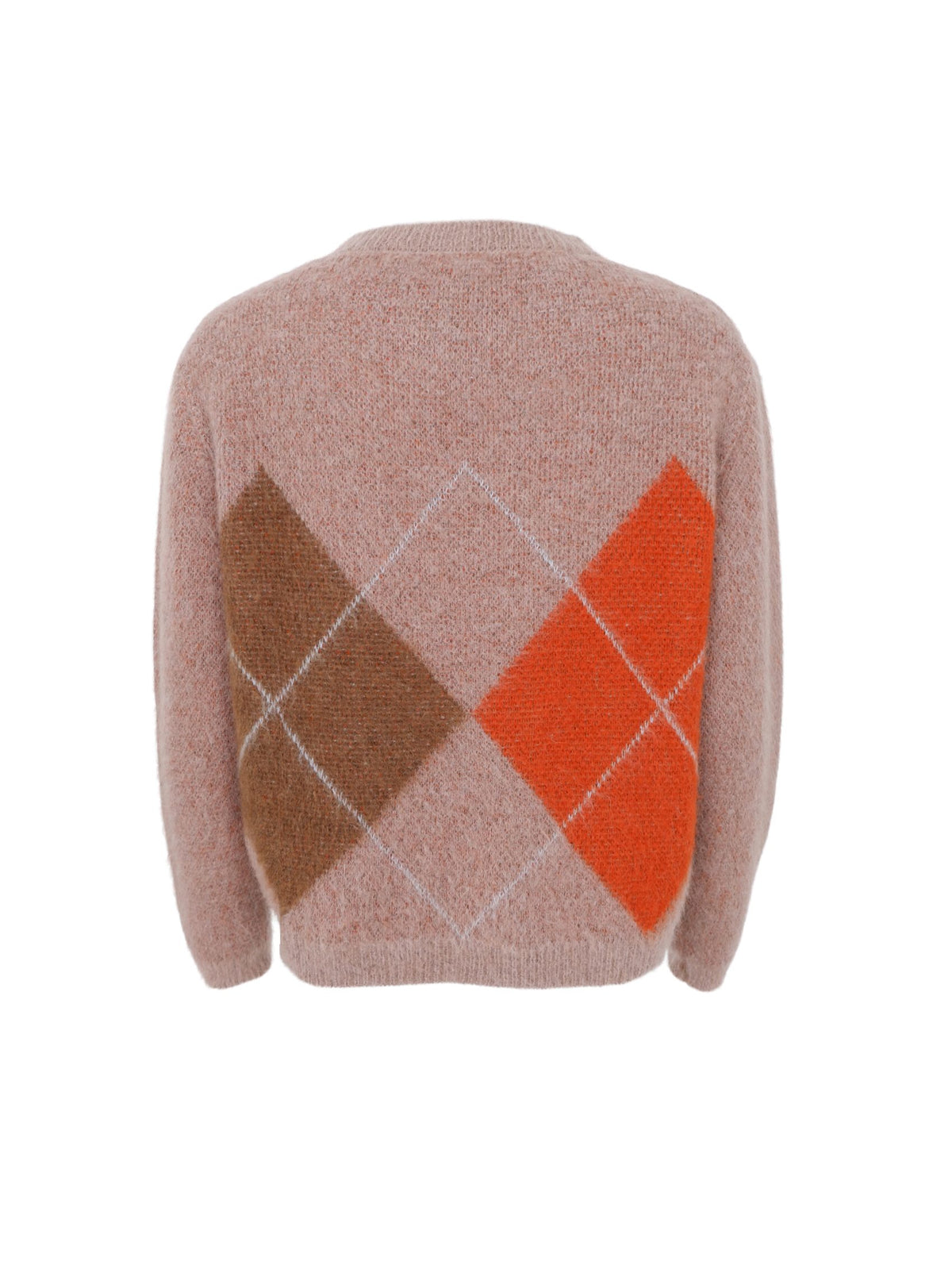
Autumn clothing doesn't automatically mean that your entire wardrobe goes into hibernation in dark shades. Layering, on the contrary, gives you more opportunities to use color.
If you prefer to take it one step at a time, you can let one color or one print be the eye-catcher and keep the rest more subdued. If you are more into more is more, you can let several colors meet or pair a print with a contrasting color.
For example, a printed shirt can be allowed to peek out from under a solid-colored sweater. Or you can do the opposite and let the
outer layer provide the color.
If you want to play around even more with the palette, you will find
more ideas in our guide to colors in the wardrobe.

Frequently asked questions about layering
- How do you style layers?
Start with a simple base layer and then build on it with, for example, a shirt, knitwear, cardigan, vest, or jacket. Let parts of the different layers show so that the outfit gains depth and contrast.
- How do I avoid a layered look becoming too cluttered?
Choose a clear starting point. It can be a color, print, or specific silhouette that the rest of the look is built around. You don't need to use many different elements to create the effect.
- Can I use dresses in a layered look in the autumn?
Yes. A dress can serve as a base and be combined with, for example, knitwear, a cardigan, vest, or jacket. This also allows you to use your wardrobe in new ways throughout the season.
- How do I use colors in an autumn look?
Try letting one color provide a clear contrast, or combine several shades if you want a more playful look. The color can come from both your clothes and your accessories.
- Which accessories work with layering?
Scarves, bags, belts, and jewelry can all be used as another visual layer. Choose details that either pull the colors of the outfit together or provide a deliberate contrast.


